The politics of textbooks
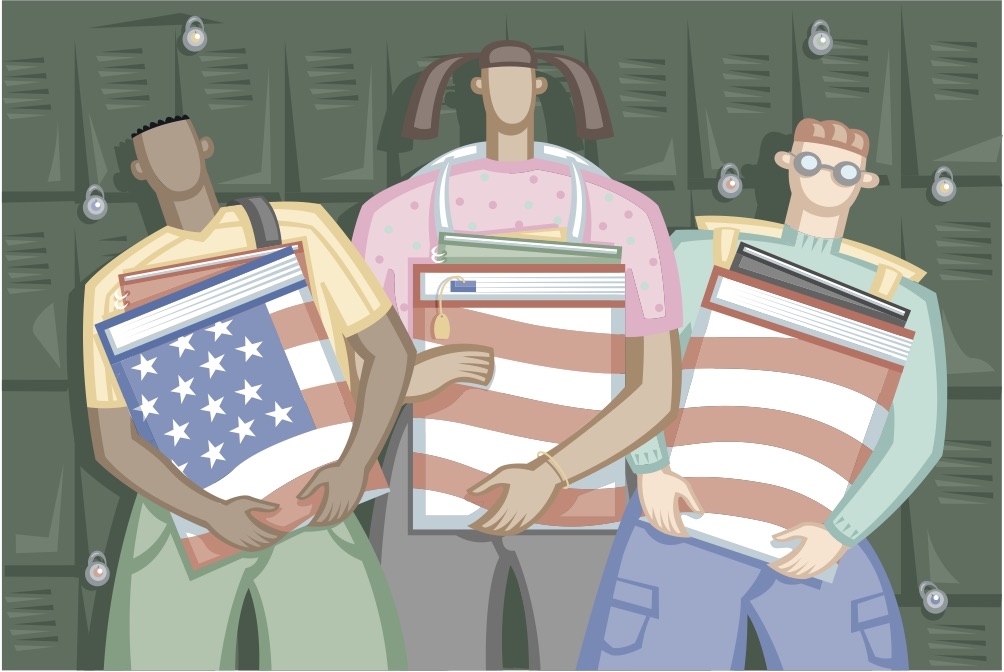
Textbooks evolve over time to reflect larger societal changes. Students in classrooms today, for example, are reading texts heavily influenced by the dramatic shift, especially among Western nations, away from the nationalist ideologies that fueled the atrocities of Word War II.
Now, once more, textbooks are on the cusp of change, says Francisco Ramirez, a professor at Stanford Graduate School of Education (GSE). Ramirez’s research focuses on the role of education in the formation of world society—including how textbooks reflect core cultural shifts—and the influence of world society on education.
“The change over time has been in the direction of emphasizing post-national society, our membership in the larger global community, the idea that it takes a village,” Ramirez says. “I don’t know what we’ll see in the future, but it’s clear we now have a nationalist surge going on. There is a global shift, a nationalist, populist, anti-liberal wave.”
On this episode of School’s In, Ramirez joined GSE Dean Dan Schwartz and Senior Lecturer Denise Pope to talk about the role of textbooks, and education writ large, in defining what it means to be American, and how anti-immigration sentiment is at the heart of the current populist backlash.
Given the important role that schools play in relation to immigration and, for better or worse, in helping immigrants assimilate, the stakes are high in classrooms across America. Thus, says Ramirez, textbooks should form a critical link in explaining what it means to be American. “And graduate schools of education should start a conversation on that topic,” he says.
You can listen to School's In on Apple Podcasts and Spotify.
Faculty mentioned in this article: Francisco Ramirez