Stanford-led research investigates impact of smartphone bans in Brazil schools
After a national law banning the use of smartphones in schools took effect in Brazil at the start of 2025, Stanford-led research is showing how schools and students are adapting to the restrictions, and linking the ban to improved standardized test scores in the country’s largest public school district.
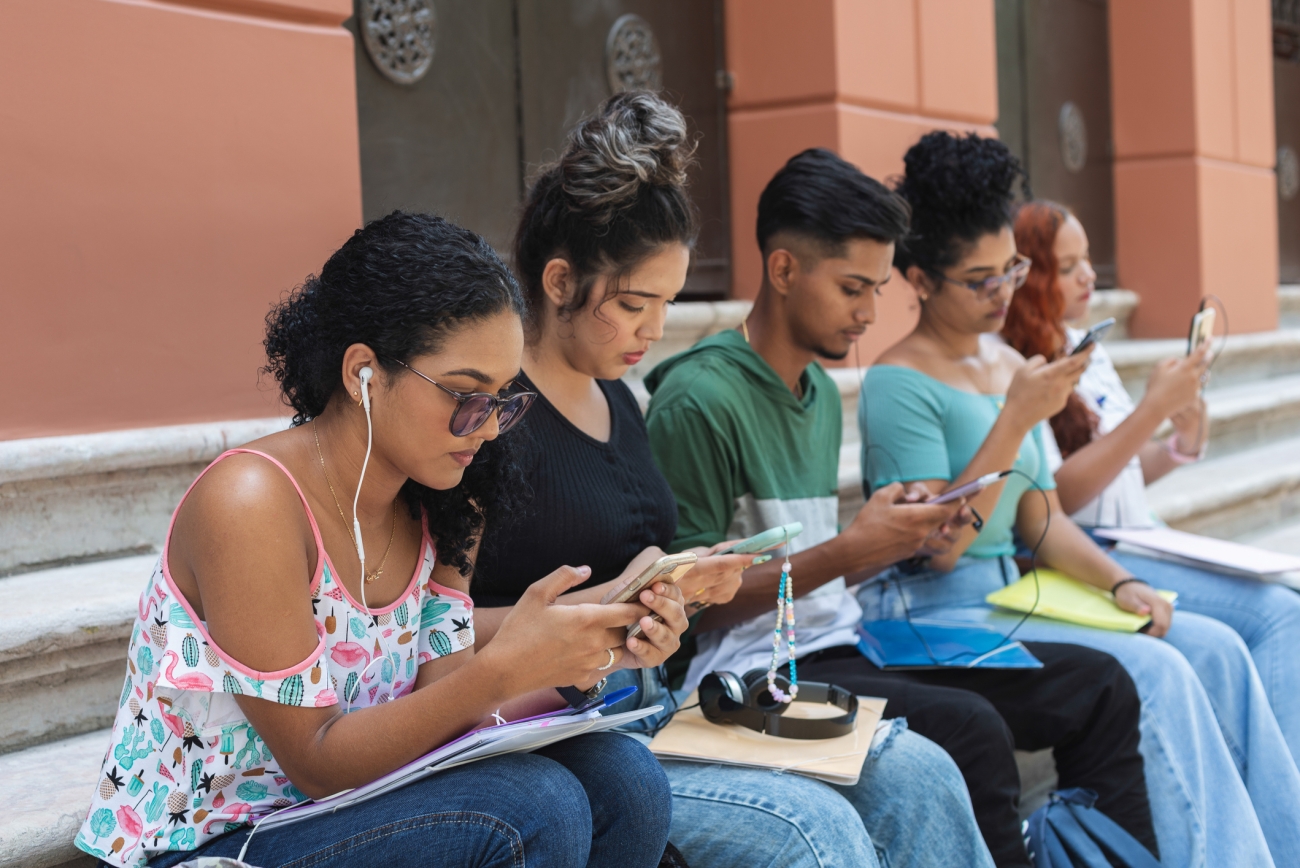
Through in-person surveys of more than 3,000 students, teachers, and school administrators at public and private K-12 schools nationwide, researchers found that 83% of students overall report paying more attention in class since the law was implemented.
The surveys also indicated a perceived decline in online bullying, though teachers and administrators who reported fewer cases outnumbered the number of students who did – 77% of administrators and 65% of teachers, compared with 41% of students – suggesting that incidents are not always reported or recognized by school staff.
The findings also documented emotional challenges associated with the restrictions: On average, 44% of students reported feeling more bored during breaks and recess, and 49% of teachers observed increased anxiety among students without access to phones.
The surveys were conducted between February and July 2025 through Equidade.info, an initiative of the Stanford Lemann Center, in partnership with the Parliamentary Coalition for Education in Brazil. The Lemann Center, housed at Stanford Graduate School of Education (GSE), supports Brazilian scholars at Stanford and initiatives to improve the Brazilian educational system.
“We could see, just six months into the ban, that there were changes, and all actors – students, teachers, school staff – see that kids are more present and engaged in the classroom. But we also see some challenges,” said Guilherme Lichand, an assistant professor at the GSE, co-director of the Lemann Center, and a faculty affiliate of the Stanford Accelerator for Learning.
A separate working paper led by Lichand also provides evidence that smartphone restrictions boosted students’ test scores in Rio de Janeiro, where a ban was adopted in stages starting in August 2023. The researchers found that a year and a half after the rollout of the restrictions in Rio, schools that did not yet have strict rules prior to the national policy change saw greater improvements in standardized test scores than schools that had adopted prior restrictions.
Taken together, the surveys and test score analysis reveal progress in some areas and concerns in others, pointing to strategies to support students’ well-being and engagement while improving the effectiveness of this type of ban, Lichand said.
“Just because phone use is going down and learning outcomes are improving doesn’t mean we’ve solved all the problems,” he said. “We still need to be alert and redouble our efforts to understand the potential vulnerabilities and risks that kids are exposed to in their online lives.”
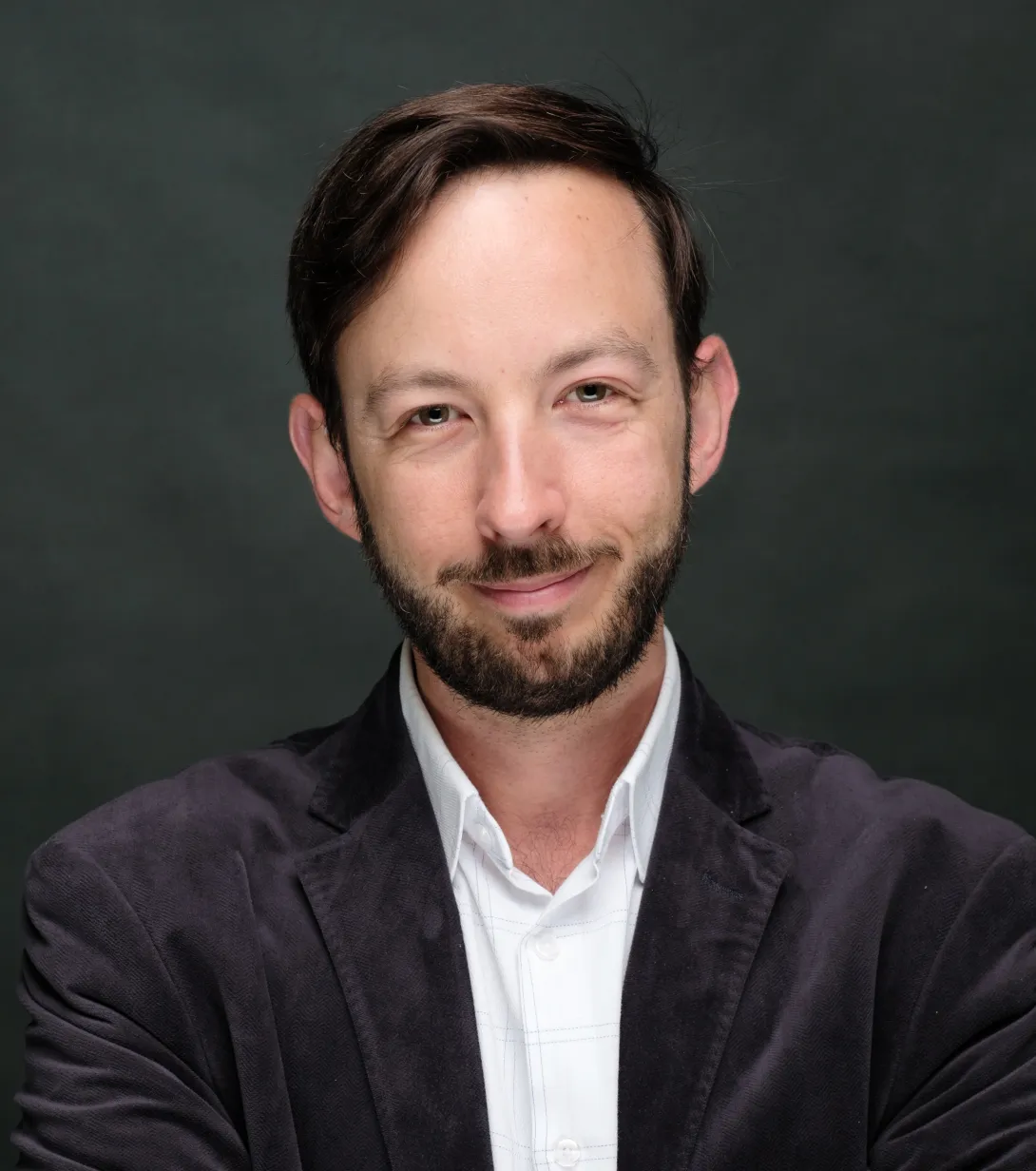
Guilherme Lichand
Surveying students and educators nationwide
Brazil’s national law, enacted in January 2025, prohibits the use of smartphones by students in public and private schools during class, recess, and other school activities, except for specific educational purposes, under teachers’ guidance. Schools can choose how to implement the restrictions – for instance, whether to collect the phones or have students store them in their own bags or lockers – but they are required to enforce the restrictions consistently throughout the school day.
Researchers from Equidade.info surveyed students, teachers, and school administrators from February through May 2025 to first assess how schools were implementing the new rules. A second wave of surveys, from May through July 2025, sought to document how students and school staff perceived the impacts of the nationwide ban, with questions developed in collaboration with the Stanford Social Media Lab.
The surveys are nationally representative, with university students (supervised by faculty) from every state in Brazil conducting interviews in person at public and private schools, in rural and urban areas, across grade levels with respondents sampled by gender, grade level, and race.
The researchers found that while most teachers and administrators said they understood the new rules, about one in three students did not. Enforcement relied primarily on verbal warnings, with most schools allowing students to keep their phones with them; only about a quarter of school administrators reported using collection boxes at the school entrance.
“The schools that are doing the best job [with compliance] are the ones that have dedicated spots for kids to store their phones,” Lichand said. “Even if you keep the phones in the classroom where students can see them, so no one is taking them away, the key thing is that the phones are not with them.”
Overall, while 83% of students reported paying more attention in class after the ban was enacted, the figure was highest among elementary students at 88%, dropping to 70% among high schoolers. High school students also reported lower rates of compliance with the rules: 55% said they continued to use their phones despite the ban, as opposed to 19% of middle-schoolers and only 2% of elementary students.
“At the high school level, it’s much harder to change behavior,” Lichand said, noting that schools that appeared to more effectively counteract the negative impacts were those with activities that engage students, introduced with their involvement and tailored to different grade levels.
“More than just limiting phones, the law opens the door for schools to rethink how they connect with students,” Lichand said. “There’s a lot of emphasis on individual solutions, telling people to exercise their self-control. But this is a community problem, and the strategies we can organize offline can really help.”
Impact on test scores
As Equidade.info researchers conducted the surveys nationwide, Lichand and three colleagues, including Stanford economics Professor Matthew Gentzkow, investigated the restrictions’ impact on student achievement in Rio de Janeiro, the largest municipal district in Latin America with more than 1,000 schools.
Rio was the first in Brazil to ban the use of smartphones in schools: first, in August 2023, prohibiting them for non-educational use in the classroom, and then in February 2024, banning all phone use during school hours except for educational purposes, as in the 2025 national ban. Through a long-standing research-practice partnership with the school district, the researchers analyzed standardized test scores for middle school students (in sixth through ninth grade) before and after the nationwide ban.
The researchers found that students in schools that had no or weak restrictions on smartphone use prior to the policy change improved 13.4% more in Portuguese and 25.7% more in math than students in schools that had strict pre-existing bans, providing causal evidence that the restrictions boosted test scores.
“Our assumption was that, in the absence of the municipal-wide ban, learning outcomes across both sets of schools would have followed parallel trends,” Lichand said, noting that the standardized test scores schools were on parallel trajectories every quarter during the two years before the policy change.
Lichand emphasized the need for ongoing research on different strategies for managing technology use in schools, despite the challenge of conducting randomized control trials in that setting.
“It’s important to be able to show what really works,” said Lichand. “The only way we’ll learn is if we, as researchers, engage with policymakers and use the data that’s available to generate evidence we can trust.”
Lichand’s co-authors for the research in Rio de Janeiro were Luca Moreno-Louzada, a predoctoral research fellow in economics at Stanford; Matthew Gentzkow, the Landau Professor of Technology and the Economy at the Stanford School of Humanities and Sciences, a senior fellow at the Stanford Institute for Economic Policy Research, and faculty director of Stanford Impact Labs; and Thiago da Costa, a graduate student at the Sao Paolo School of Economics.
Faculty mentioned in this article: Guilherme Lichand