Academic Statecraft: Stanford, Washington, and American Political Development in the Twentieth Century
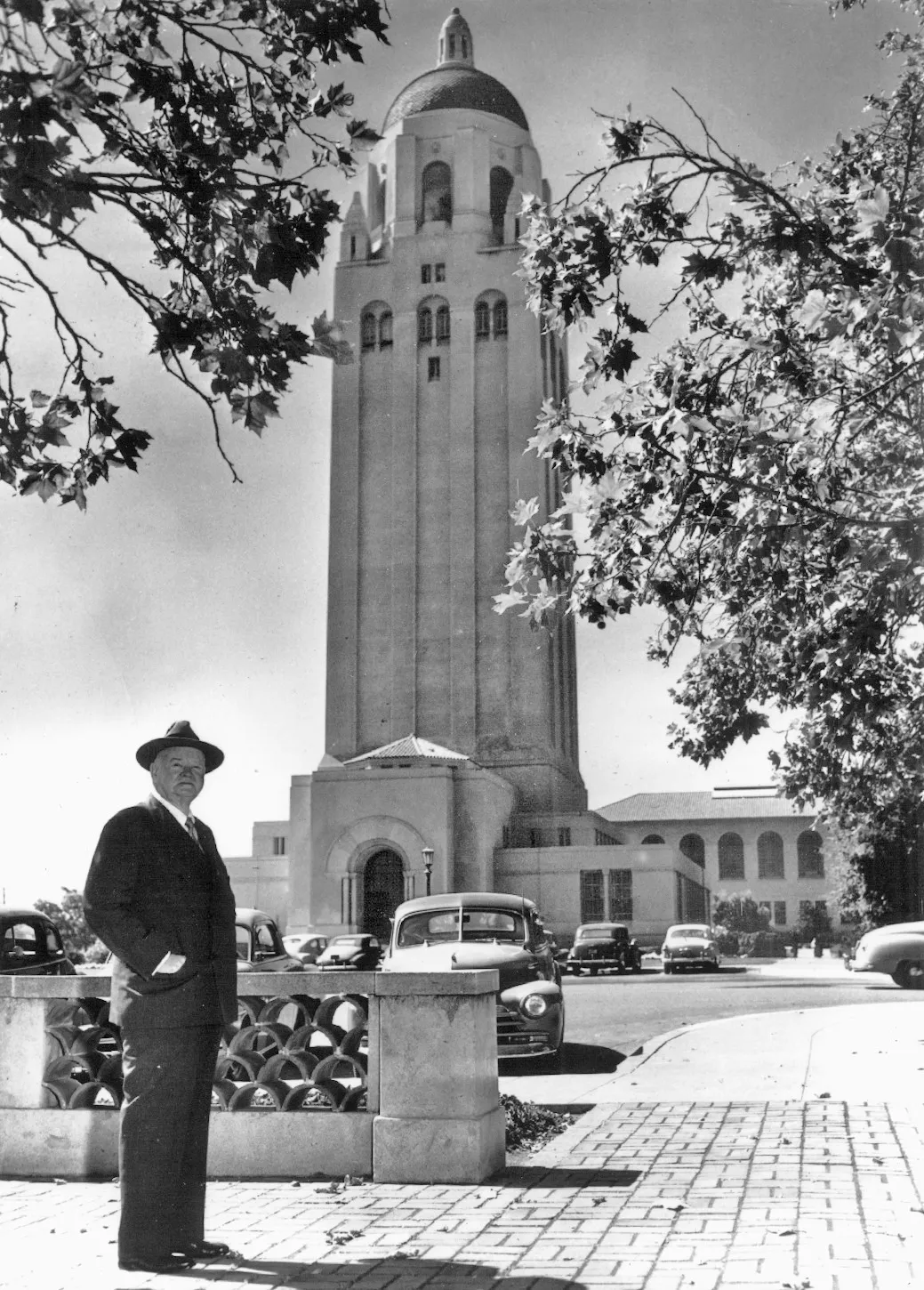
In 1900 Stanford was an upstart institution at the furthest edge of the American frontier; a century later it would have faculty and alumni influential in virtually every domain of domestic and international policy. Join GSE faculty members Emily J. Levine and Mitchell L. Stevens as they tell the story of this transformation. Integrating recent theoretical developments in political history with original research in the Stanford University Archives, they will depict how ambitious alumni and faculty moved back and forth between Washington and Palo Alto, building careers that leveraged the dual affordances of academic and government organizations. In the process, these alumni and faculty contributed to the development of a hybrid domain of civic action that we now call public service, and moved Stanford closer to the political centers of power. Professors Levine and Stevens will conclude by considering the implications of the current US presidential administration’s efforts to renegotiate the relationship between elite universities and the federal government.
Reception to follow in the ANKO Forum
Registration required
Co-sponsored by Stanford Historical Society and the Graduate School of Education
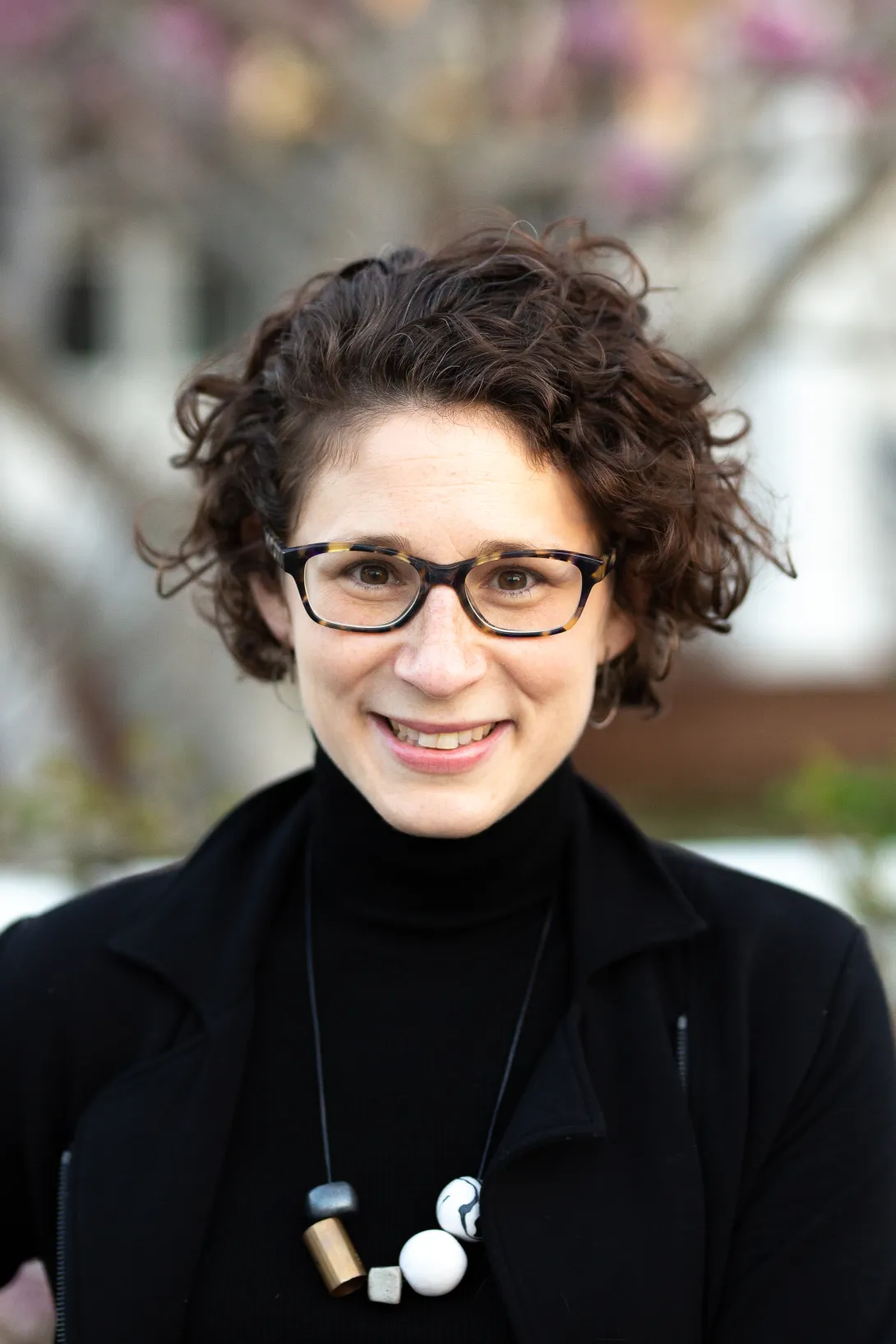
Emily J. Levine (MA ’05 and PhD ’08) is Associate Professor of Education and (by courtesy) History at Stanford University. She is the author of Allies and Rivals: German-American Exchange and the Rise of the Modern Research University (University of Chicago Press, 2021), and Dreamland of Humanists: Warburg, Cassirer, Panofsky, and the Hamburg School (University of Chicago Press, 2013), and her writing has appeared in The New York Times, The Washington Post, and The LA Times.
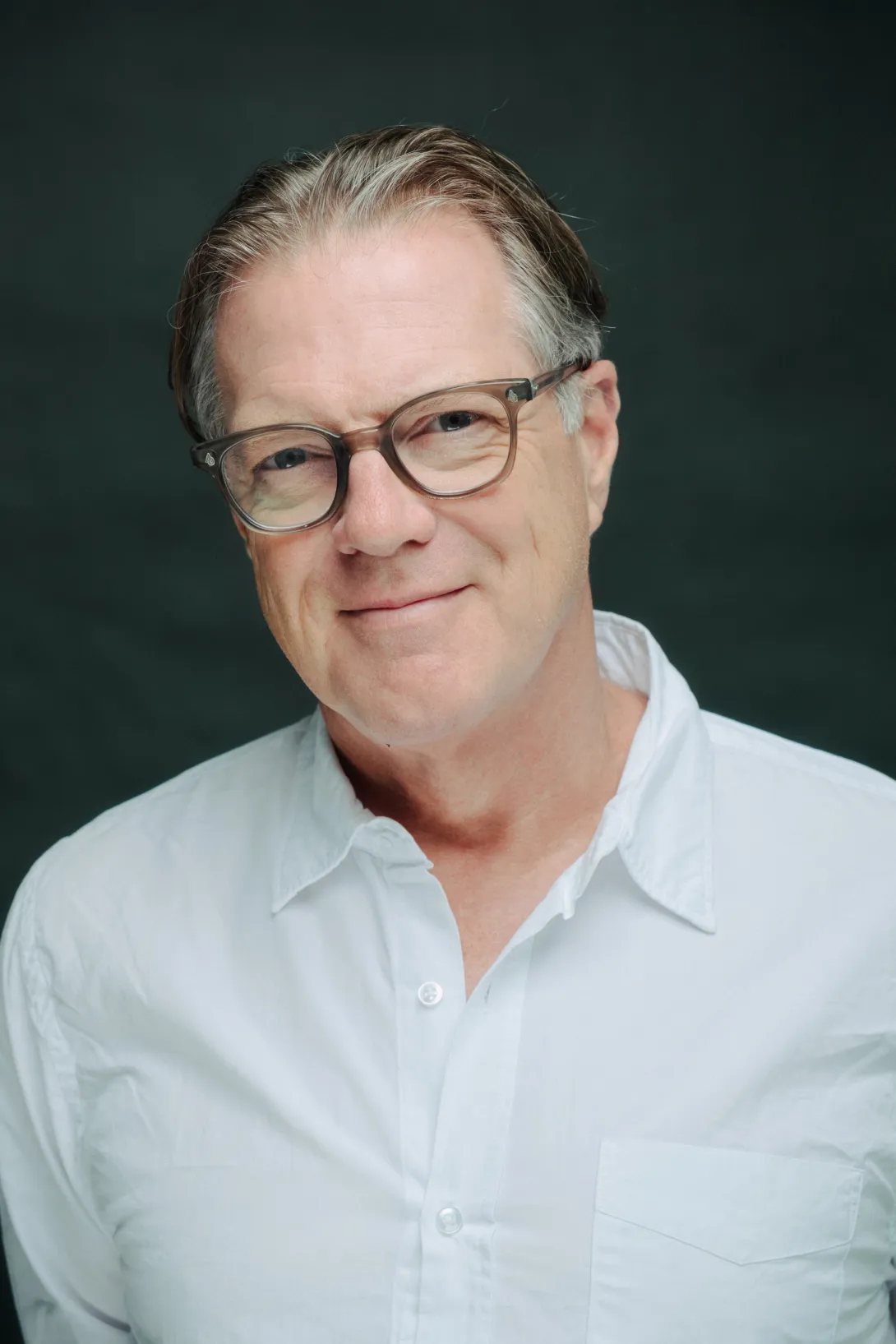
Mitchell L. Stevens is Professor of Education and (by courtesy) Sociology at Stanford University. He is an organizational sociologist with longstanding interests in educational sequences, lifelong learning, alternative educational forms, and the formal organization of knowledge. At Stanford he convenes the Pathways Network (pathways.stanford.edu) and the Futures Project on Education and the Learning Society (learningsociety.io). (Photo: Ryan Zhang)